Collision on the Dart between a RIB and a commercial vessel - watch where you are going!
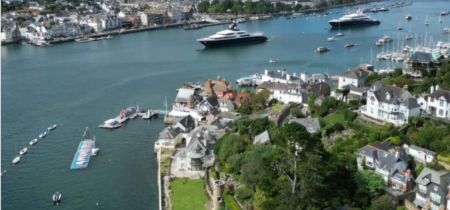
In the early evening, on a sunny early June day, a small RIB collided with a commercial vessel on the Dart. All the people on the RIB were locals, and were well aware of the likelihood of encountering a commercial vessel in this location, but the skipper chose to sit on the tube of the RIB, giving him a sideways view of the shore, with a blind spot towards the river. Neither vessel had seen the other, and so the first the skipper and crew of the RIB knew of the incident was when they were catapulted into the harbour as their boat was flipped upside down as the bow of the commercial vessel hit the A frame of their RIB.
None of those on the RIB were wearing lifejackets, so they were fortunate not to have been knocked unconscious by the collision and were able to swim to shore. Whilst the RIB was fitted with a kill cord, it was not being used, so the outboard continued to run, with the spinning prop causing a danger to those in the water.
In this case, incredibly, there were no major injuries. In slightly different circumstances there could easily have been three deaths. The lessons to all on the river are clear:
- Keep a good visual lookout at all times. Don’t rely on the other vessel spotting you.
- Plan your passage! Know where hazards may be encountered
- Wear a lifejacket.
- Use your kill cord.
The operator of the commercial vessel has also taken actions to improve their lookout arrangements.
Fatal collision in Portsmouth Harbour - Alcohol, speed and boats don't mix.
The MAIB have recently published a report into the death of two people onboard the RIB Peaky Blinder. The RIB was travelling at a speed of up to 50 knots through confined waters of the harbour (which has a 10 knot speed limit), and the skipper was 4 times over the drink-drive limit. Dart Harbour is joining the MAIB in pressing for a national alcohol limit for those navigating vessels, but all are reminded that our local byelaws also prohibit both high speed and being drunk in charge.
The MAIB report can be found here Key lessons include:
- Don’t drink and drive a boat. Ever.
- Keep to a safe speed.
- Wear a lifejacket.
Making lifejackets easier to use
We want to encourage you to use a lifejacket or buoyancy aid every time you go afloat. We’ve got a couple of initiatives to help you with this:
Free Lifejacket Lockers
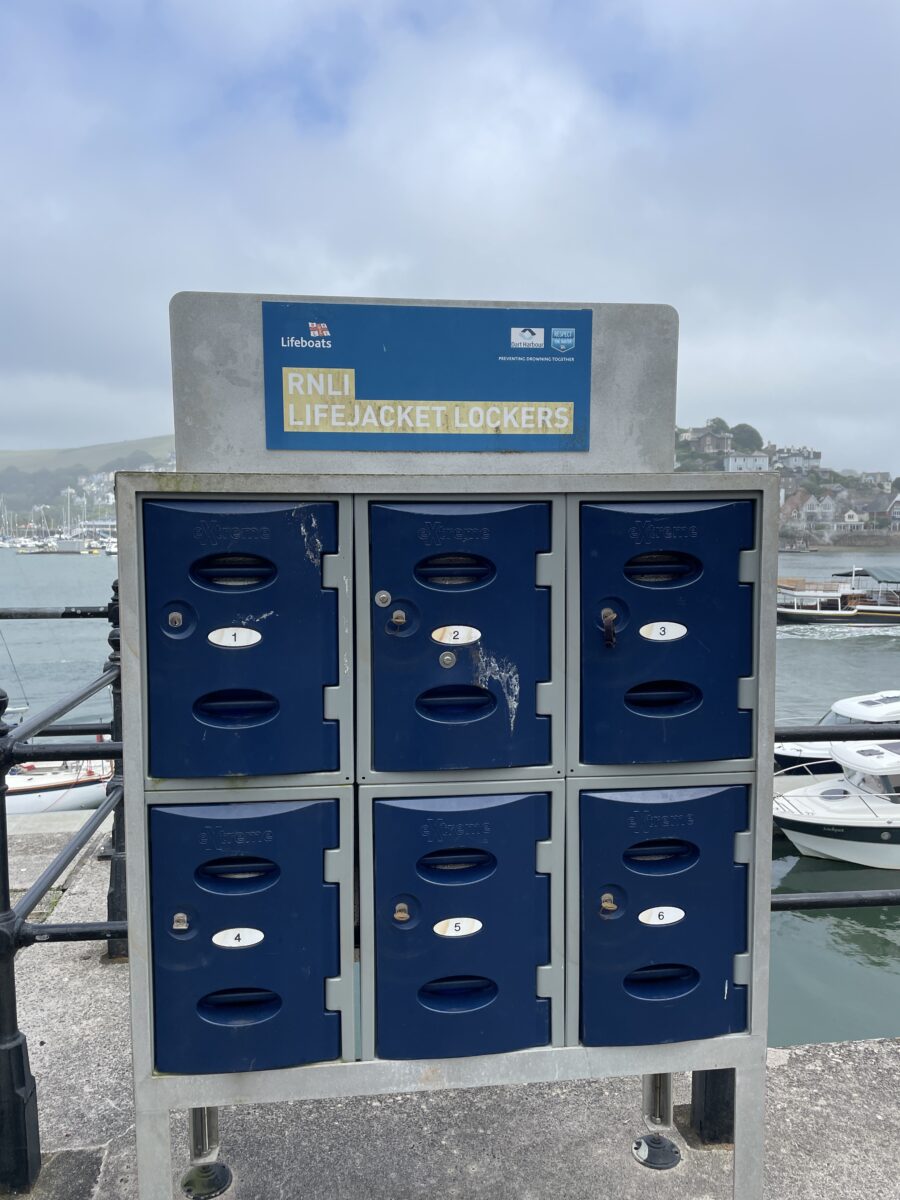
At Double Steps Pontoon and Yacht Club pontoon we have banks of RNLI lockers. These are free to use (with a £1 coin deposit), and let you leave your lifejacket safely while you go ashore.
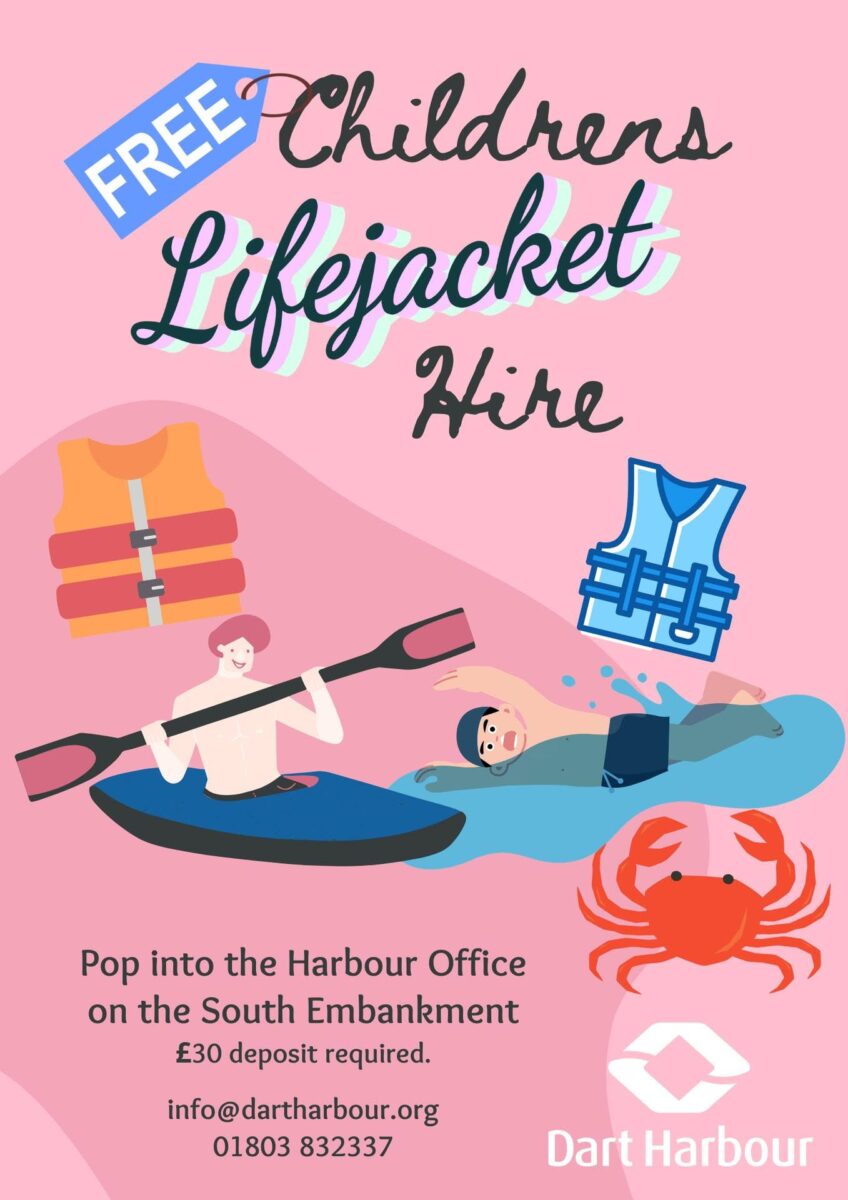
Free Children's Lifejacket hire
We now have a range of children’s lifejackets and buoyancy aids available from the harbour office. For a £30 refundable deposit, you can borrow one for the day, so there is now no excuse not to keep your children safe.
Too close for comfort - Large powerboat hits Mewstone
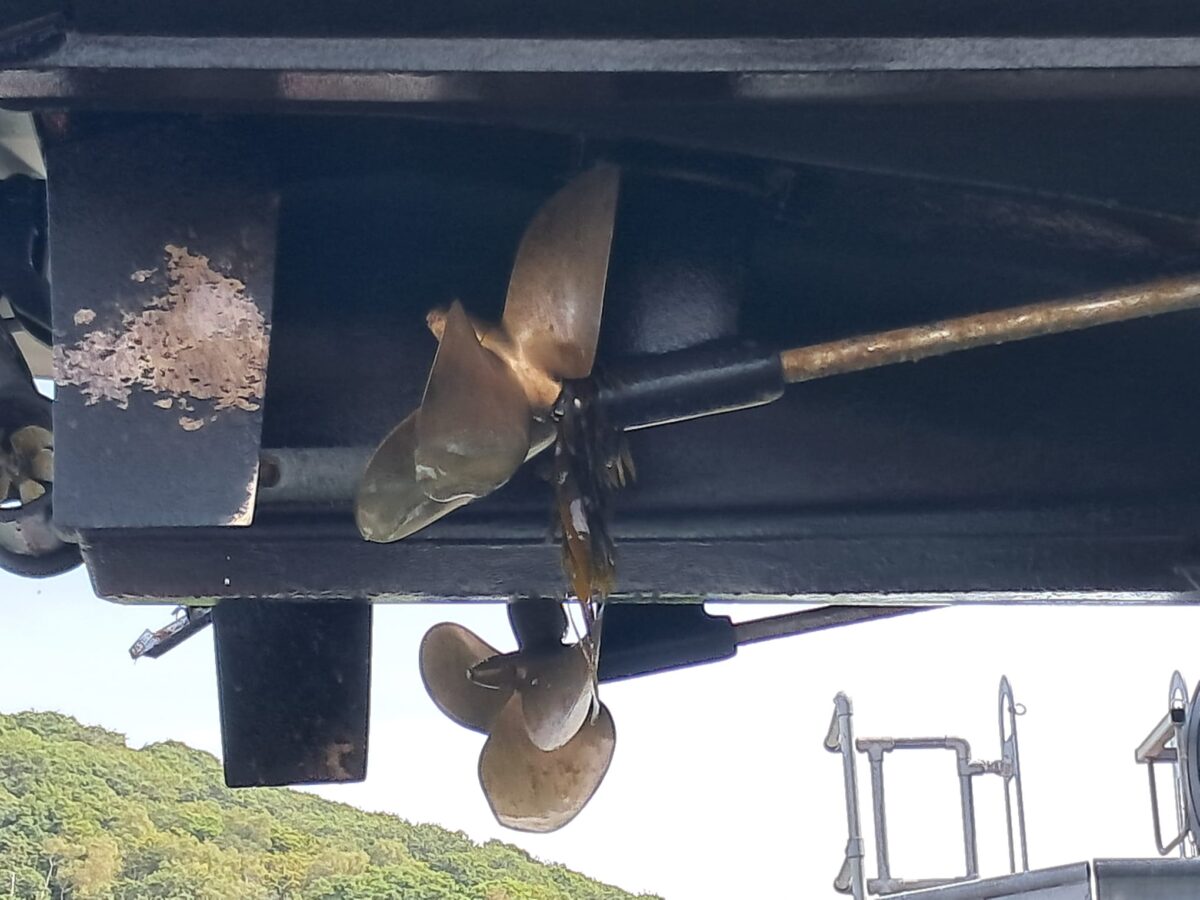
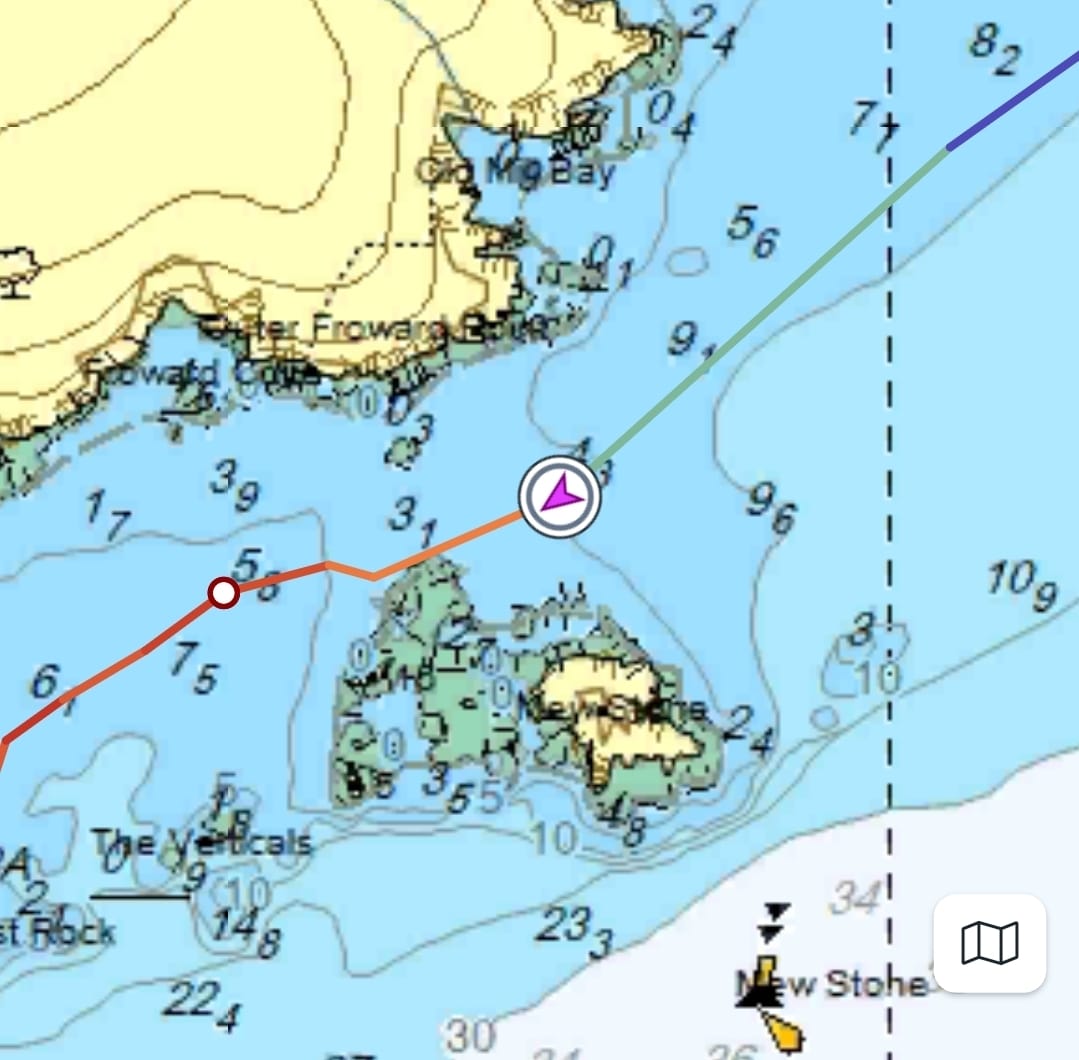
A large 50ft Dart-based powerboat was on passage back to the river, when the skipper decided to pass inside the Mewstone, to have a look for seals. Unfortunately he misjudged the depth of water, and hit the underwater reef that stretches from the mewstone halfway to the shoreline at 10 knots. There was a bump and both engines stopped. He took good, prompt and calm emergency action, getting all crew into lifejackets, calling the coastguard, checking his bilges for water ingress and launching his tender to be ready for emergency use.
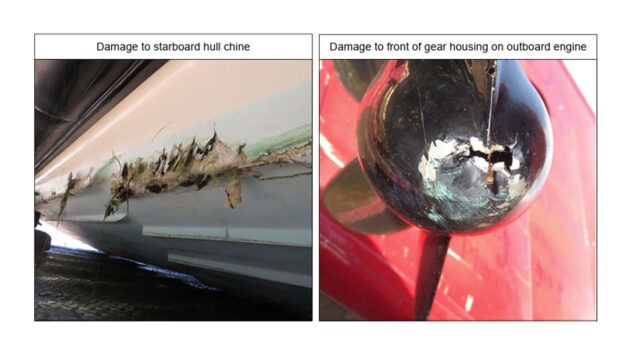
Dart Harbour attended and towed the powerboat back to Noss Marina, where the boatyard team were able to immediately lift the vessel out of the water. We found both shafts badly bent at the props, all prop blades bent, the water intake knocked off, and a scrape running the length of the hull. It is likely there is also gearbox or engine damage. A quick look at the seals proved very expensive, but it could have been much worse – had the tide been a few inches lower it is likely the hull would have been ripped open in multiple compartments, and the boat could easily have sunk.
Key lessons:
- Plan your passage carefully. The cardinal marks around the Mewstone and other hazards show the safe water
- Understand tides – just because the tide is flooding doesn’t make it safe to approach rocks
- Know your emergency procedures – would you and your crew know what to do in these circumstances
- Give seals and the rocks they sit on a wide berth – no closer than 30m, there are more details in the Harbour Guide
- Consider your speed – 10 knots might feel slow on a boat capable of 30, but its fast enough to disturb wildlife, make a wash, cause your boat to squat deeper in the water, and cause a lot of damage if you hit something.